A running toilet is one of those problems that’s easy to ignore until you see the water bill. That constant trickle or the tank that refills by itself every twenty minutes can waste hundreds of gallons a day. The fix is almost always a worn flapper, a fill valve that needs adjusting or replacing, or a chain that’s the wrong length. You can handle all three with basic tools and less than an hour of your time.
How a Toilet Tank Works (The Short Version)
Lift the tank lid and you’ll see two main parts. The fill valve is the tall assembly on one side, usually on the left, connected to the water supply. It refills the tank after a flush and shuts off when the float rises to a set level. The flush valve sits in the middle and includes the overflow tube and the rubber flapper at the bottom. Press the handle and a chain lifts the flapper, water rushes into the bowl, and the flapper drops to reseal.
When a toilet runs, water is either leaking past the flapper into the bowl or overfilling the tank and spilling down the overflow tube. Figuring out which one is happening is the first job.
Find the Cause Before You Buy Parts
Check the Water Level
Look at the overflow tube. If water is pouring into it, the fill valve is letting the tank fill too high. The water line should sit about an inch below the top of the overflow tube.
Try the Dye Test
If the water level looks fine, add a few drops of food coloring to the tank and don’t flush. Wait 15 to 20 minutes. If color shows up in the bowl, water is leaking past the flapper. It’s the most common culprit.
Watch the Chain
Flush and watch. If the chain is so short that the flapper can’t close fully, or so long that it gets caught under the flapper, you’ve found your problem without spending a dime.
Fixing the Chain
Start here, because it’s free. You want about half an inch of slack when the flapper is closed. Too tight and the flapper stays slightly open. Too loose and the extra links can get trapped under the seal. Unhook the clip from the handle arm and move it to a different link.
Replacing the Flapper
Flappers are made of rubber, and over time they warp, harden, or collect mineral buildup, especially with hard water. A new one costs $5 to $15. Take the old one to the store if you can, or check whether your flush valve opening is 2 inches or 3 inches, since they’re not interchangeable.
- Turn off the water at the shutoff valve behind the toilet, turning it clockwise.
- Flush to drain the tank. Hold the handle down to get out as much as possible.
- Unhook the chain from the handle arm.
- Pull the flapper’s side ears off the pegs on the overflow tube, or slide the ring off if it’s the ring style.
- Wipe the flush valve seat with a cloth. If it’s crusty, scrub it gently with a nonabrasive pad. A rough seat will make even a new flapper leak.
- Install the new flapper, attach the chain with about half an inch of slack, and turn the water back on.
Do the dye test again once the tank refills. If the bowl stays clear, you’re done.
Adjusting or Replacing the Fill Valve
Adjusting the Water Level
Newer fill valves have a float cup that slides up and down the valve body. There’s usually a small adjustment screw or clip on the side. Turn the screw or squeeze the clip to lower the float, and the tank will shut off at a lower level. On older ball-float valves, turn the screw on top of the valve or gently bend the float arm down.
When to Replace It
If the valve hisses, fills slowly, or won’t shut off even after you adjust it, replace it. A universal fill valve runs $10 to $25 and fits most toilets. Here’s what you’ll need:
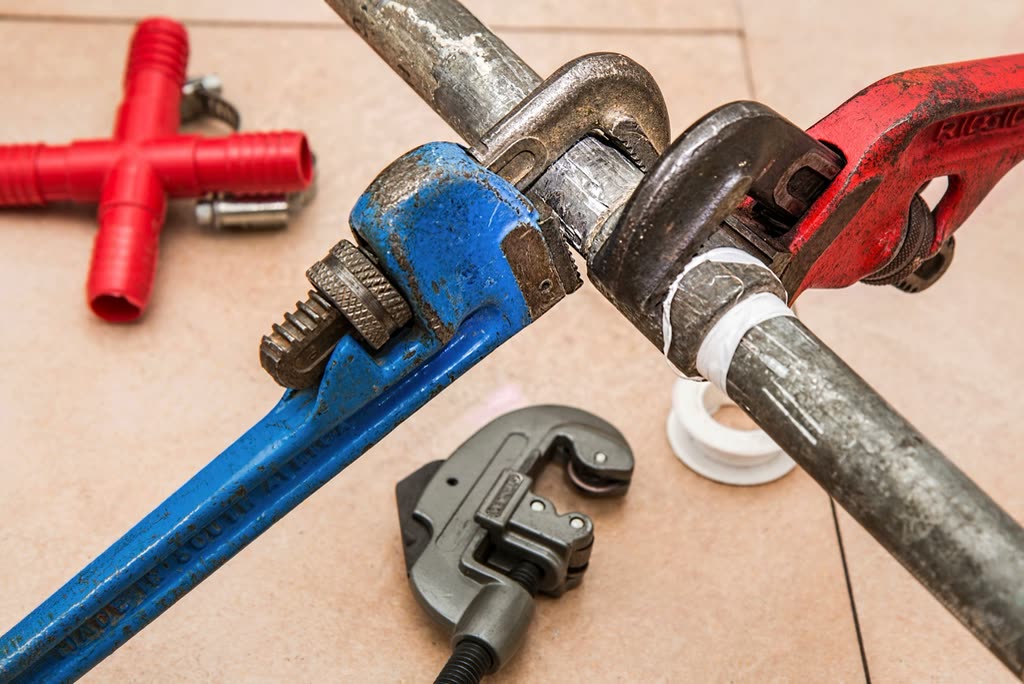
- Adjustable wrench or channel-lock pliers
- Bucket and old towels or a sponge
- The new fill valve kit, which includes the refill tube and clip
Shut off the water, flush, and sponge out what’s left in the tank. Put a towel on the floor. Disconnect the supply line under the tank, then unscrew the large plastic locknut holding the valve in place. Set the new one in, adjust its height according to the instructions so the top sits above the overflow tube, and hand-tighten the locknut from below, adding a quarter turn with pliers. Overtightening can crack the tank, so go easy. Reconnect the supply line, clip the refill tube to the overflow tube, and turn the water on slowly.
When It’s Still Running
If you’ve replaced the flapper and fill valve and the toilet still runs, look for a cracked overflow tube or a damaged flush valve seat. Replacing the whole flush valve means pulling the tank off the bowl, a bigger job but still doable on a Saturday.
For the vast majority of running toilets, though, the fix costs less than a pizza and takes about 30 minutes. Keep a spare flapper in the garage for the next time you hear that trickle at 2 a.m.

Eddy is a professional content writer with over 10 years of experience creating engaging, informative, and reader-focused content across a wide range of topics. Throughout his career, he has developed a strong reputation for producing well-researched, original, and easy-to-understand articles that help readers find the information they need quickly and confidently.