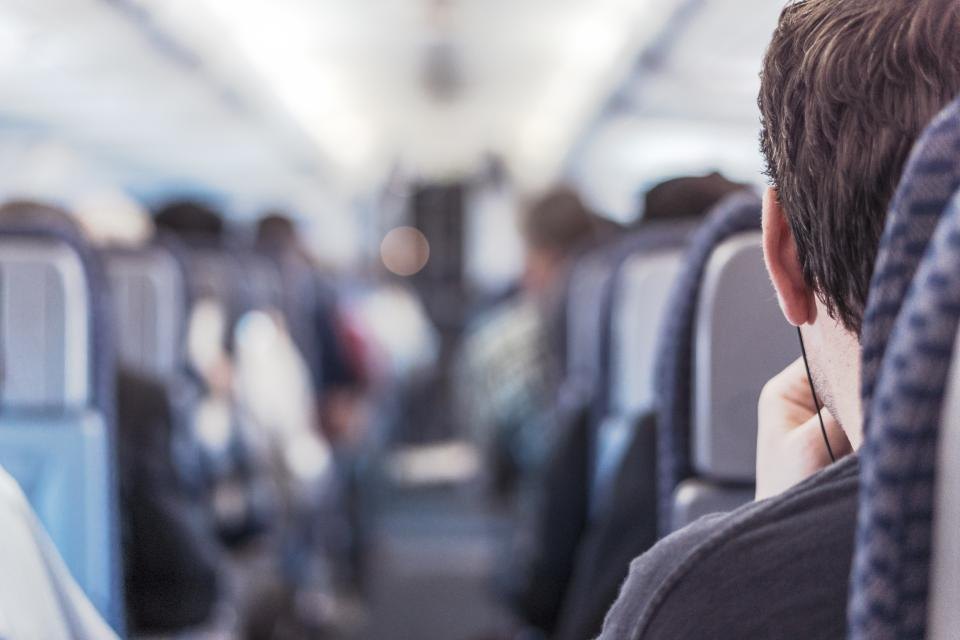
You land after twelve hours in the air, step into bright afternoon sunshine and feel completely fine. Then at four in the afternoon your body decides it is the middle of the night. You fall asleep at dinner, wake at 3 a.m. wide awake, and spend the next few days of your holiday feeling like you are walking through syrup.
Jet lag happens because your internal clock is still running on home time while everything around you has moved on. You cannot avoid it completely on a big time-zone jump, but you can shorten it a lot. Here is what actually helps.
Why Some Trips Are Worse Than Others
Most people find flying east harder than flying west. Heading west, you are asking your body to stay up a bit later, which it finds fairly easy. Heading east, you have to fall asleep earlier than feels natural, which is much harder.
The number of time zones matters too. A rough rule is that your body adjusts by about one hour per day without help. A six-hour shift could mean nearly a week of feeling off. The tips below are about speeding that up.
Start Before You Leave
Shift your sleep a little
Three or four days before the flight, move your bedtime and wake time by an hour each day toward your destination’s schedule. Going east, go to bed earlier. Going west, stay up later. Even a partial shift gives you a head start.
Do not arrive exhausted
It is tempting to stay up all night packing and plan to sleep on the plane. This usually backfires. Arriving already sleep-deprived makes the adjustment harder, not easier. Get your packing done early and sleep well the night before.
On the Plane
As soon as you board, set your watch and phone to the destination time and start living by it. If it is night where you are going, try to sleep. If it is daytime there, stay awake, even if the cabin lights are dimmed.
- Bring a proper sleep kit. An eye mask, earplugs or noise-cancelling headphones and a decent neck pillow make a real difference.
- Drink water steadily. Cabin air is very dry, and dehydration makes the tiredness worse.
- Go easy on alcohol. It might make you drowsy, but the sleep it brings is poor and leaves you groggier later.
- Time your caffeine. Coffee in the destination’s morning helps. Coffee in its evening will haunt you.
Light Is Your Most Powerful Tool
Your body clock is set mostly by light. Using it well is the most effective way to adjust, and it costs nothing.
After flying east
Get bright light in the morning and avoid it in the late evening. Go for a walk outside after breakfast. In the evening, dim the lights and put the phone down well before bed.
After flying west
Do the opposite. Avoid very early bright light, and get outside in the late afternoon and early evening to push your clock later.
Daylight is far stronger than any indoor light, even on a cloudy day. A real walk outside beats a bright hotel lobby every time.
The First Day Matters Most
Whatever time you land, try to follow the local schedule from the start. If you arrive in the morning, the urge to nap will be enormous. If you must sleep, limit it to 20 or 30 minutes before mid-afternoon and set an alarm, ideally two. A long nap almost guarantees a sleepless night.
Eat meals at local times too. Food is another signal your body uses to figure out what time it is. A big breakfast at local breakfast time sends a clear message.
Plan a gentle first day. A walk, a market, an easy meal. Save the museum you have been dreaming about for day two or three, when you can actually enjoy it.
What About Melatonin?
Some travellers use melatonin, a hormone your body naturally produces in the evening, to help reset their clock. Research suggests it can help with eastward trips when taken at the destination’s bedtime. Rules on buying it differ from country to country, and it does not suit everyone, so it is worth checking with a pharmacist or doctor before you rely on it.
Short Trips Are Different
If you are only away for two or three days, it may be better not to adjust at all. Staying roughly on home time, scheduling important meetings when you would normally be alert, and sleeping when your body expects to can be easier than shifting there and back again.
For longer trips, though, a bit of planning goes a long way. Shift early, use light wisely, respect the local clock and be patient with yourself. You will lose a day, not a week.

Eddy is a professional content writer with over 10 years of experience creating engaging, informative, and reader-focused content across a wide range of topics. Throughout his career, he has developed a strong reputation for producing well-researched, original, and easy-to-understand articles that help readers find the information they need quickly and confidently.