Budget travel has a bit of an image problem. People picture overnight buses, hostel bunk beds with fourteen strangers and dinners of instant noodles. Some trips are like that, and they can be great fun. But travelling cheaply does not have to mean feeling deprived.
The trick is to spend less on the things that matter little to you, so you can enjoy the things that matter a lot. Here is how to do that without counting every coin.
Decide What You Actually Care About
Before you book anything, ask yourself a simple question: what would make this trip feel special? For some people it is food. For others it is a great view from the window, a day of diving, or a concert ticket. Write down one or two priorities and protect that part of the budget.
Everything else becomes negotiable. If you love food but sleep anywhere, book a simple room and eat brilliantly. If you want a beautiful room, picnic for lunch. Spending with intent feels very different from simply spending less.
Be Flexible Where It Counts
Dates
Flights and rooms change price wildly depending on the day. Flying midweek, avoiding school holidays and travelling just outside peak season (often called the shoulder season) can cut costs dramatically. Many places are also nicer then, with fewer crowds and milder weather.
Destinations
If your dates are fixed, let the destination flex instead. Flight search tools with an “anywhere” or map view show which cities are cheap from your airport on your dates. A city you had not considered might turn out to be the highlight of the year.
Airports
Check nearby airports at both ends. Sometimes a train to a different airport saves far more than it costs, though do add up the full journey, including transfer time and fares, before deciding.
Where You Sleep
Accommodation is usually the biggest cost after flights, so it deserves some thought.
- Look a little outside the centre. A neighbourhood one or two metro stops away is often much cheaper and more interesting.
- Consider private rooms in hostels. Many modern hostels offer private rooms with their own bathroom at guesthouse prices, plus a kitchen and friendly common areas.
- Use a kitchen. A place where you can make breakfast and the occasional dinner saves a surprising amount over a week.
- Book directly. Once you find a place on a comparison site, check its own website. Small hotels sometimes offer a better rate or free breakfast to direct guests.
Eat Like a Local, Not Like a Tourist
Restaurants on the main square with menus in six languages and photos of every dish are almost always the most expensive and least interesting places to eat. Walk two streets away and look for places full of locals.
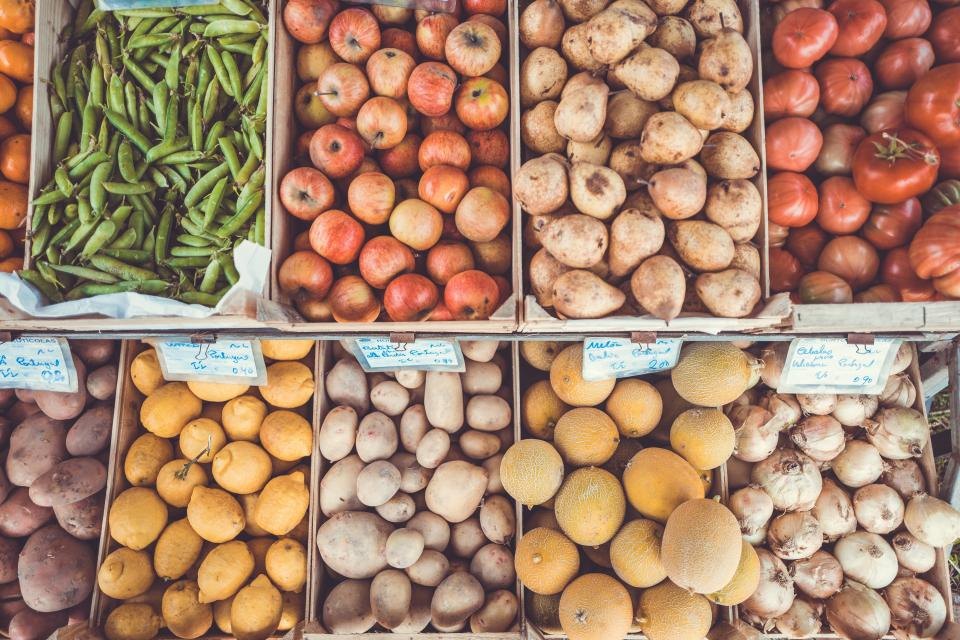
Markets, bakeries and street food are often the best meals you will have, at a fraction of the price. In many countries the set lunch menu is the bargain of the day, offering the same food as dinner for much less. Make lunch your big meal and keep dinners simple.
Getting Around for Less
Public transport is one of the cheapest ways to experience a place, and often the most fun. Buy a day or multi-day pass if you will use it a lot. Walk whenever you can, because you will see far more on foot than through a taxi window.
For longer distances, booking trains and coaches a few weeks ahead usually unlocks the lowest fares. Overnight trains can be a double saving, covering a long distance while replacing a night’s accommodation.
Free Things Are Everywhere
Many museums have free days or free evenings each month. Parks, beaches, viewpoints, markets and old neighbourhoods cost nothing. Free walking tours, where you tip what you think is fair at the end, are a great way to get your bearings on the first day.
Some of the best travel memories come from these unplanned moments anyway: a festival you stumble into, a sunset from a hill, a conversation with a shop owner. None of them come with a ticket price.
Avoid the Small Leaks
Budgets rarely get blown by one big purchase. They drain away through small ones. A few habits plug the leaks:
- Use a card without foreign transaction fees, and always choose to pay in the local currency when a card machine asks.
- Avoid airport currency exchange counters.
- Carry a refillable water bottle where the tap water is safe.
- Get a local SIM or an eSIM instead of paying roaming charges.
- Check baggage fees before booking a cheap flight, because they can double the price.
Keep a Loose Daily Budget
Work out roughly what you can spend per day and check in with yourself every evening. If today ran over, tomorrow can be a picnic-and-park day. If you came in under, treat yourself. This keeps you in control without turning the trip into an accounting exercise.
Travel on a small budget is still travel. You still get the new streets, the strange food, the unfamiliar language and the feeling of being somewhere completely different. Spend smart, protect what you love, and the rest takes care of itself.

Eddy is a professional content writer with over 10 years of experience creating engaging, informative, and reader-focused content across a wide range of topics. Throughout his career, he has developed a strong reputation for producing well-researched, original, and easy-to-understand articles that help readers find the information they need quickly and confidently.