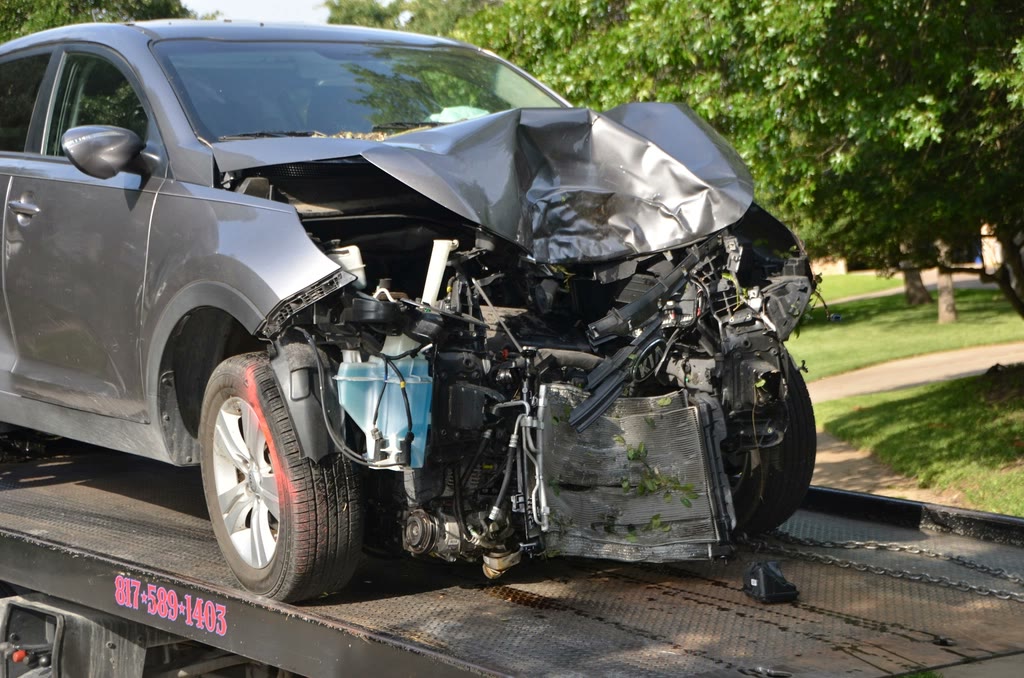
Nobody plans for the crunch. One minute you’re inching forward at a junction, the next you’re staring at a dented bumper and a stranger walking toward your window. Minor accidents happen constantly, and most of them end with nothing worse than a repair bill. But what you do in the first twenty minutes can make the difference between a smooth insurance claim and a months-long argument over who hit whom.
Here’s a sensible order of operations, written for real people standing on the side of a real road.
First, Make Sure Everyone Is Safe
Before you think about paperwork, think about bodies. Check yourself, then your passengers, then the people in the other car. Necks and backs can feel fine in the moment and ache badly the next morning, so don’t brush off a sore shoulder just because the damage looks small.
If the cars are drivable and sitting in live traffic, most places expect you to move them somewhere safer, such as the hard shoulder, a side street or a car park. Switch on your hazard lights. If someone is hurt, or the vehicles can’t be moved, call emergency services and stay put.
Should you call the police?
It depends on where you are. In many US states, the UK and elsewhere, you’re required to report a collision if anyone is injured, if the other driver won’t give their details, or if damage passes a certain threshold. Even when it isn’t required, a police report can be useful later. If the other driver seems impaired, aggressive or uninsured, call. That isn’t overreacting.
Swap the Right Information
This is where people get flustered and forget things. Take a breath and collect the basics from the other driver:
- Full name and phone number
- Insurance company and policy number
- Vehicle registration or licence plate number
- Make, model and colour of the car
- Driver’s licence number, if they’ll share it
- The vehicle owner’s details, if the driver isn’t the owner
Give them the same information about you. If there are witnesses, politely ask for their names and numbers too. A neutral bystander who saw the other car run the light is worth a great deal later on.
Document Everything With Your Phone
Your phone is the best tool you have at an accident scene. Take more photos than you think you need. Shoot both cars from several angles, close-ups of the damage, the licence plates, road markings, traffic signs, skid marks and the general layout of the junction. If it’s raining or dark, capture that as well.
Then, while it’s fresh, write a quick note or record a voice memo describing what happened. Where were you going? How fast? What did the other car do? Memory fades quickly, and details you’re sure you’ll remember tend to blur within a week.
Watch What You Say
It’s natural to blurt out “I’m so sorry” after a bump. Most people mean it as basic courtesy. The trouble is that a casual apology can later be treated as an admission of fault, and fault is exactly what insurers will be weighing up.
You don’t have to be cold. Be polite, ask whether everyone’s alright, and stick to facts. Avoid statements like “I didn’t see you” or “I was only looking away for a second.” Let the evidence and the insurers sort out who was responsible.
Don’t make side deals in a hurry
Sometimes the other driver will suggest settling it in cash to keep insurers out of it. That can work for a genuinely tiny scrape between two honest people. But hidden damage is common, since a bumper that looks fine can hide a cracked sensor or bracket, and injuries can surface days later. If you do agree to a private arrangement, still collect their full details and take photos, just in case.
Contact Your Insurer Promptly
Most insurance policies require you to report an accident within a reasonable time, even if you don’t plan to claim. Missing that window can cause problems. Call or use your insurer’s app, give them the facts, and send over your photos and notes.
If you felt any discomfort at all, see a doctor or visit an urgent care clinic within a day or two. Having an early medical record links any injury to the accident, which matters if symptoms get worse.
Keep a simple folder, paper or digital, with the other driver’s details, the claim number, receipts for repairs or taxis, and any letters you receive.
Keeping a Small Accident Small
The goal after a fender bender is simple: stay safe, stay calm, and leave the scene with good evidence. Do those three things and most minor accidents are resolved with a few phone calls and a trip to the body shop. If the other side disputes fault, someone was injured, or an insurer offers far less than seems fair, that’s the moment to speak to a lawyer who handles traffic claims.
Reporting rules and fault systems differ a lot between countries and between US states, so treat this as general guidance and check the specifics where you live.

Eddy is a professional content writer with over 10 years of experience creating engaging, informative, and reader-focused content across a wide range of topics. Throughout his career, he has developed a strong reputation for producing well-researched, original, and easy-to-understand articles that help readers find the information they need quickly and confidently.